
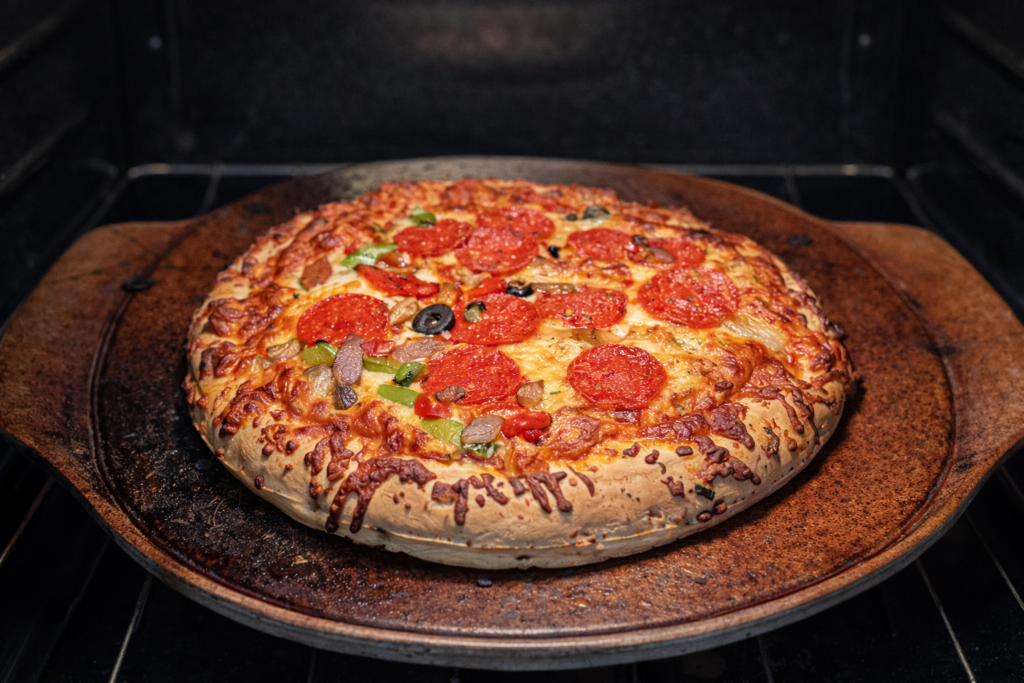
Making great pizza at home doesn’t require a wood-fired oven or expensive equipment. With a few smart adjustments—and a better understanding of heat—you can turn out pizza with a crisp bottom, well-browned crust, and evenly cooked toppings using a standard home oven.
These six tips focus on what actually matters when cooking pizza in a home oven and will instantly improve your results.
This post contains affiliate links. If you purchase through these links, I may earn a small commission at no extra cost to you.
1. Use a Pizza Stone, Not a Metal Pan
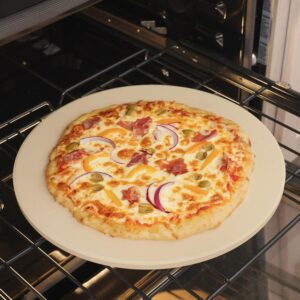
If you’re serious about better pizza, a pizza stone is essential.
Metal pizza pans and baking sheets heat up quickly, but they also lose heat just as fast. A pizza stone absorbs and retains heat, transferring it directly into the dough the moment the pizza hits the surface. This is what creates a crisp bottom crust instead of a soft or soggy one.
If you’ve ever wondered why your pizza tastes good but lacks texture, the pan is often the problem.
2. Preheat the Pizza Stone in the Oven
A pizza stone only works if it’s fully heated.
Place the stone in the oven before turning it on and let it heat gradually as the oven preheats. Never place a cold stone into a hot oven, and don’t wait until the last minute to add it.
When it’s time to bake, use a pizza peel to slide the pizza directly onto the stone while it stays inside the oven.
3. Set Your Oven to Its Highest Temperature
Most home ovens top out between 500–550°F, and you should take full advantage of that.
Ignore the instructions on the pizza box. Those temperatures are designed for convenience, not quality. Pizza cooks best in high heat, which helps the dough rise quickly, browns the crust, and prevents toppings from overcooking.
4. Give the Stone Extra Time to Heat
Even if your oven says it’s preheated, the stone may still be much cooler.
Pizza stones often need 20–30 additional minutes to fully absorb heat. For the best results, the stone should be close to the oven’s maximum temperature before the pizza ever touches it.
A heat gun is an easy way to confirm this and remove all guesswork.
5. Choose Frozen Pizzas With Raw Dough
If you’re using frozen pizza, look for options made with raw or rising crust dough.
These pizzas bake more like fresh pizza and respond much better to high heat and a pizza stone. Fully pre-baked frozen pizzas tend to dry out and don’t develop the same texture.
6. Don’t Bake Frozen Pizza Straight From the Freezer
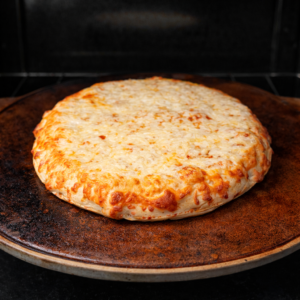
Cooking pizza straight from frozen often leads to uneven results.
Letting the pizza partially or fully defrost helps the dough cook evenly and improves texture. Even 20–30 minutes at room temperature can make a noticeable difference.
Recommended Pizza Tools (Affiliate Links)
This section contains affiliate links. If you purchase through these links, I may earn a small commission at no extra cost to you.
Pizza Stones for Home Ovens
A quality pizza stone is the foundation of better homemade pizza. A good stone holds heat, improves crust texture, and mimics the high-heat environment of a pizza oven.
What to look for:
- Cordierite or ceramic material
- At least 5/8-inch thick
- Rated for 500°F+ ovens
Pizza Peels for Easy Transfers
A pizza peel makes it easy to slide pizza onto a hot stone without burning yourself or losing heat from the oven.
Why it matters:
- Prevents misshapen pizzas
- Keeps the stone hot
- Makes loading and unloading safe
Infrared Thermometer for Perfect Stone Temperature
An infrared thermometer removes the guesswork by letting you check your pizza stone’s surface temperature instantly.
Ideal features:
- Instant-read infrared sensor
- Reads up to at least 600°F
- Simple one-button operation
Final Thoughts
Making better pizza in a home oven isn’t about complicated recipes or expensive equipment—it’s about heat, timing, and the right setup. A properly preheated pizza stone, a hot oven, and a few simple adjustments can dramatically improve your results.
Once you dial in these basics, you’ll stop settling for average pizza and start getting consistent, restaurant-quality results at home.
If you’re just getting started, focus on mastering one change at a time. Small upgrades make a big difference.